What Is a Closing Protection Letter - CPL Definition & Who Receives
Learn what a Closing Protection Letter is, how it protects buyers and lenders during real estate closings, what it covers, and why it adds an essential layer of financial security.
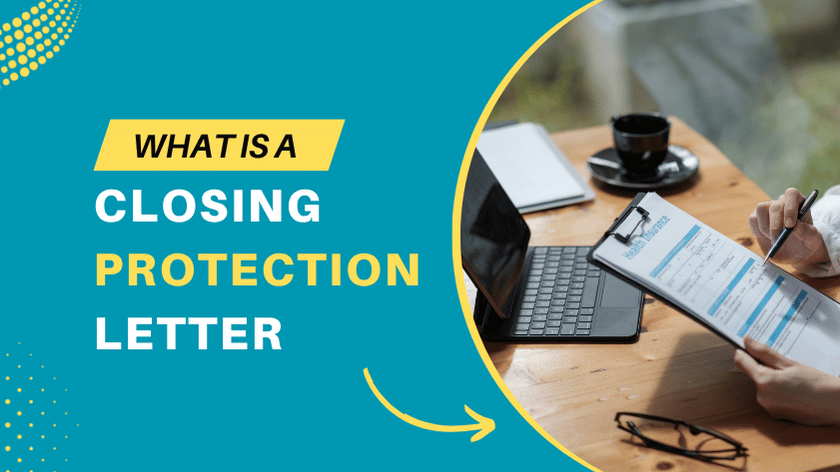
A Closing Protection Letter, often called a CPL, plays a vital role in real estate transactions in the United States. It is issued by a title insurance company to protect a lender or buyer from specific financial losses that may occur during the closing process.
Many clients are familiar with title insurance itself but are less aware of the additional shield that a CPL provides. Understanding its function helps buyers, sellers, and lenders move through closing with greater confidence.Definition of a Closing Protection Letter
A Closing Protection Letter is a contractual document created by a title insurance company. Its purpose is to guarantee that the closing agent, attorney, or settlement office handling the transaction will follow the instructions provided by the lender or title insurer.
Why a CPL Exists
Real estate closings involve large sums of money, multiple transfers, and legal documents that must be executed with precision. Most transactions include escrow deposits, down payments, loan funds, tax payments, and prorated amounts. All of these pass through the hands of a closing agent.
Even the most reputable agent can make mistakes. In rare cases, agents or employees may mishandle funds or fail to follow instructions. A CPL ensures that the title insurance company stands behind the transaction if errors, fraud, or misappropriation occur. This protects both the lender and, in many situations, the buyer.Also See: Contract Letter for Service AgreementWhat a CPL Covers
The protections provided by a Closing Protection Letter typically include:
1. Misappropriation of Funds
If the closing agent takes, loses, or mishandles funds entrusted to them for the transaction, the CPL triggers reimbursement.
2. Failure to Follow Written Instructions
If the agent ignores or deviates from written instructions issued by the title insurance company or lender, the CPL covers resulting losses. This may involve incorrect disbursement of funds, failure to pay required parties, or mishandling of documents.
3. Closing-Related Fraud
If fraudulent activity by the settlement office causes financial harm to a lender or buyer, the CPL provides a clear path for recovery.
The scope of protection can vary by state and by title insurance company, but the general purpose remains consistent across the industry.What a CPL Does Not Cover
A Closing Protection Letter does not cover every issue that can arise during a real estate transaction. It does not step in for disputes between buyers and sellers, ownership challenges, undisclosed property defects, or errors unrelated to the closing agent’s actions.
Issues involving title defects are handled through standard title insurance. The CPL focuses only on the conduct of the individual or company handling the closing.Who Receives a Closing Protection Letter
A CPL is commonly issued to:
- Lenders providing mortgage financing
- Homebuyers paying cash
- Buyers who request additional closing protections
- Parties that handle funds or rely on the accuracy of closing services
Most states require title insurance companies to provide a CPL to lenders. Buyers can request one as well and, in many regions, receive a separate CPL with their name listed as the protected party.
Why a CPL Matters for Buyers
For many buyers, closing is the stage that feels most stressful because critical money transfers and legal commitments occur simultaneously. A CPL provides assurance that funds placed in escrow will be handled properly. It supports trust in the closing system and creates a path for reimbursement if something goes wrong.
A CPL also reinforces the legitimacy of the title insurer. By issuing it, the insurer states that it is confident in the settlement office and willing to stand behind its work. This creates meaningful accountability.Why a CPL Matters for Lenders
Lenders require high accuracy during closing because loan disbursement, recording of documents, and protection of collateral all depend on the closing agent’s actions.
If an agent misdirects money or fails to follow instructions, the lender faces immediate risk. A CPL protects the lender from losses and safeguards the integrity of the mortgage process.How a CPL Works in Practice
When a real estate transaction heads toward closing, the lender or buyer reviews the settlement documents and disbursement instructions. The title insurance company then issues the CPL, identifying the specific parties protected. The closing agent collects funds, manages documents, and completes each step required for the transfer of ownership.
If a loss occurs due to the agent’s misconduct or errors, the affected party files a claim with the title insurer. The insurer investigates the situation and reimburses the party if the loss falls within the CPL’s protections. This process helps avoid drawn-out disputes and costly legal battles.State Regulations and Industry Standards
CPLs are widely regulated at the state level. Many states require standardized language and consistent pricing to avoid confusion and ensure transparency. Some regions mandate that every lender receive a CPL for each transaction involving a title insurer.
Other states require clear disclosure to buyers so they know they have the option of added protection.Title insurance companies typically follow uniform standards for issuing CPLs, and many use established internal controls to supervise closing agents and settlement offices.Final Thoughts
A Closing Protection Letter is a significant safeguard within the real estate closing process. It protects buyers and lenders from financial losses caused by the actions of the closing agent and reinforces trust in the transfer of property.
By understanding the purpose, coverage, and process behind a CPL, clients can approach closing with greater confidence and clearer expectations.