Menu
Letters
Letter Categories
Templates Blog
Professional Writing Toolkit

Craft the perfect letter for every situation with confidence.

Sample Letters combines expert guidance with ready-to-use templates to help you communicate clearly and professionally. Explore curated categories, customizable templates, and proven writing tips.

Sample Letters

Business & Career Letters

Cover letters, recommendations, client communication, and HR-ready templates.

Personal & Life Moments

Heartfelt letters for relationships, celebrations, condolences, and more.

Legal & Formal Communication

Structured templates for compliance, government, financial, and legal needs.

Our Letter Collection

Comprehensive resources for all your letter writing needs

97+
Categories
285+
Letter Types
1,421+
Sample Letters
3+
Templates

Letter Categories

Explore all letter categories with writing guidance and sample letters.

Acceptance Letters

Fundraising Letters

Acknowledgement Letters

Get Well Letters

Advice Letters

Goodbye Letters

Agreement Letters

Greeting Letters

Announcement Letters

Grievance Letters

Apology Letters

HR Letters

Appeal Letters

Inquiry Letters

Application Letters

Insurance Letters

Appointment Letters

Internship Letters

Appraisal Letters

Interview Letters

Appreciation Letters

Introduction Letters

Approval Letters

Invitation Letters

Authorization Letters

Job Letters

Bank Letters

Leave Letters

Birthday Letters

Legal Letters

Breakup Letters

Loan Letters

Business Letters

Love Letters

Cancellation Letters

Marketing Letters

Certification Letters

NOC Letters

Character Letters

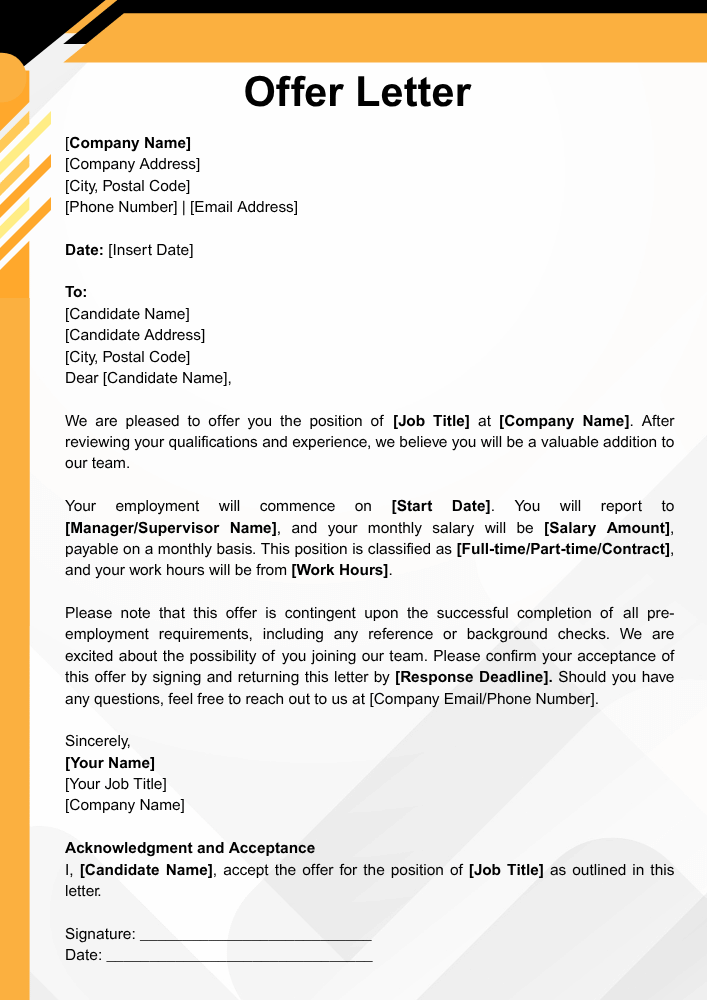
Offer Letters

Charity Letters

Office Letters

Claim Letters

Permission Letters

Collection Letters

Personal Letters

Complaint Letters

Promotion Letters

Compliment Letters

Proposal Letters

Condolence Letters

Recommendation Letters

Confirmation Letters

Reference Letters

Congratulations Letters

Relieving Letters

Contract Letters

Request Letters

Cover Letters

Resignation Letters

Credit Letters

Retirement Letters

Criticism Letters

Romantic Letters

Delegation Letters

Salary Letters

Dismissal Letters

Sales Letters

Dispute Letters

Scholarship Letters

Donation Letters

School Letters

Employee Letters

Sorry Letters

Employer Letters

Sponsorship Letters

Encouragement Letters

Suggestion Letters

Endorsement Letters

Termination Letters

Evaluation Letters

Thank You Letters

Experience Letters

Thanks Letters

Family Letters

Transfer Letters

Farewell Letters

Verification Letters

Feedback Letters

Warning Letters

Festival Letters

Welcome Letters

Follow Up Letters

Wish Letters

Formal Letters

Friendly Letters

Friendship Letters

Modern templates with classic structure

Each template is designed for clarity, impact, and professionalism. Customize easily, maintain compliance, and deliver communication that gets results.

  • Download in multiple formats including PDF, DOCX, and Google Docs.
  • SEO-ready meta data and structured content sections for every letter template.
  • Writing prompts, phrasing suggestions, and customizable placeholders.
Browse Templates

Trusted by career advisors, HR teams, and legal professionals worldwide.

4.9/5 average template rating
Structured outlines Tone guidance Reading time
"Sample Letters made it effortless to draft professional communication. The templates saved hours of formatting and revision."
— Eleanor, HR Director

Latest Blog Posts

Stay updated with letter writing tips, best practices, and communication strategies.

View all posts

What Our Users Say

Discover how Sample Letters has helped professionals and individuals write better letters with confidence.

"The templates and examples here saved me hours when I needed to write a professional cover letter. The structure and tone guidance made all the difference in my job application."

JM
Jennifer Martinez
Marketing Director

"As a small business owner, I frequently need to write formal letters to clients and partners. This site has become my go-to resource for professional communication templates."

RC
Robert Chen
Business Owner

"The character reference letter examples helped me write a compelling recommendation for a colleague. The tips on structure and what to include were invaluable."

AS
Amanda Stevens
HR Manager

"I used the resignation letter template when leaving my previous position. It was professional, respectful, and helped me maintain a positive relationship with my former employer."

DW
David Williams
Software Engineer

"The apology letter examples gave me the confidence to address a misunderstanding with a client. The tone and structure helped me communicate effectively and resolve the issue."

MT
Michael Thompson
Account Executive

"I found the leave request letter templates extremely helpful. They provided the right balance of professionalism and clarity that I needed for my workplace communication."

SJ
Sarah Johnson
Project Manager

Frequently Asked Questions

Find answers to common questions about letter writing, formats, tips, and guides.

What are the essential elements of a professional letter?

A professional letter should include a clear heading with your contact information, date, recipient details, formal salutation, well-structured body paragraphs, professional closing, and signature. Each section serves a specific purpose in conveying your message effectively and maintaining proper etiquette.

How do I choose the right tone for my letter?

Select your tone based on the relationship with the recipient and the letter's purpose. Use formal tone for business, legal, or official communications. Choose a friendly professional tone for colleagues or clients. Personal letters can be warm and conversational while maintaining respect and clarity.

What is the ideal length for a business letter?

Business letters should be concise yet complete, typically one to two pages. Aim for 150-300 words for most communications. Cover letters should be one page, while formal proposals or detailed requests may extend to two pages. Always prioritize clarity and relevance over length.

How can I make my letter more persuasive?

Start with a strong opening that captures attention. Use specific examples and data to support your points. Structure your argument logically with clear transitions. Address potential objections and end with a clear call to action. Maintain a confident yet respectful tone throughout the letter.

What common mistakes should I avoid when writing letters?

Avoid spelling and grammar errors by proofreading carefully. Don't use overly casual language in formal contexts. Ensure all names, dates, and details are accurate. Avoid being too lengthy or vague. Always include a clear purpose and call to action. Never send without reviewing the content thoroughly.

How do I personalize a letter template effectively?

Replace all placeholder text with specific information relevant to your situation. Customize the opening and closing to match your relationship with the recipient. Add personal anecdotes or specific examples that relate to your message. Ensure the tone matches your voice while maintaining professionalism.

What is the standard format for a business letter?

The standard business letter format includes your address and contact information at the top, followed by the date, recipient's address, formal salutation, body paragraphs with single spacing, professional closing, and signature. Use left alignment, one-inch margins, and a professional font like Times New Roman or Arial.

Should I use block or indented paragraph style?

Block style is modern and widely preferred for business letters, with all text left-aligned and paragraphs separated by blank lines. Indented style uses first-line indentation for paragraphs. Choose block style for most professional communications as it appears cleaner and more contemporary in digital formats.

How do I format the date and addresses correctly?

Write the date in full format: Month Day, Year (e.g., January 15, 2024). Place your address at the top left, followed by the date. The recipient's address goes below the date, aligned left. Include full names, titles, company names, and complete addresses with proper postal codes.

What is the proper way to address recipients in formal letters?

Use formal titles like Mr., Mrs., Ms., or Dr. followed by the last name. For unknown recipients, use "Dear Hiring Manager" or "To Whom It May Concern." Research the correct title and spelling. In business contexts, use professional titles when appropriate, such as "Dear Director Smith" or "Dear Professor Johnson."

How should I format the closing and signature block?

Use professional closings like "Sincerely," "Respectfully," or "Best regards" followed by a comma. Leave four blank lines for your handwritten signature, then type your full name below. Include your title and contact information if relevant. For business letters, add your company name and position.

What spacing and margins should I use for letters?

Use one-inch margins on all sides for printed letters. Single-space paragraphs with a blank line between paragraphs. For email letters, use standard spacing without excessive line breaks. Ensure consistent spacing throughout. Use 12-point font size and maintain professional appearance with adequate white space.